
How to Protect Your Money from Scams (Senior Safety Guide USA 2026)
Financial scams targeting seniors in the United States are increasing every year. Criminals are becoming smarter, using phone calls, emails, fake websites, and even social media to steal money from retirees.
The good news is that with the right knowledge, you can protect yourself completely and stay safe.
Why Seniors Are Targeted by Scammers

Scammers usually target seniors because they assume:
- They may not be familiar with digital tools
- They have savings or retirement funds
- They are more likely to trust phone calls or emails
But awareness is the strongest protection.
Common Types of Scams in 2026
1. Phone Call Scams
Scammers pretend to be from:
- Bank representatives
- Social Security Administration
- IRS (tax authority)
They try to pressure you into sending money or sharing personal information.
2. Email Phishing
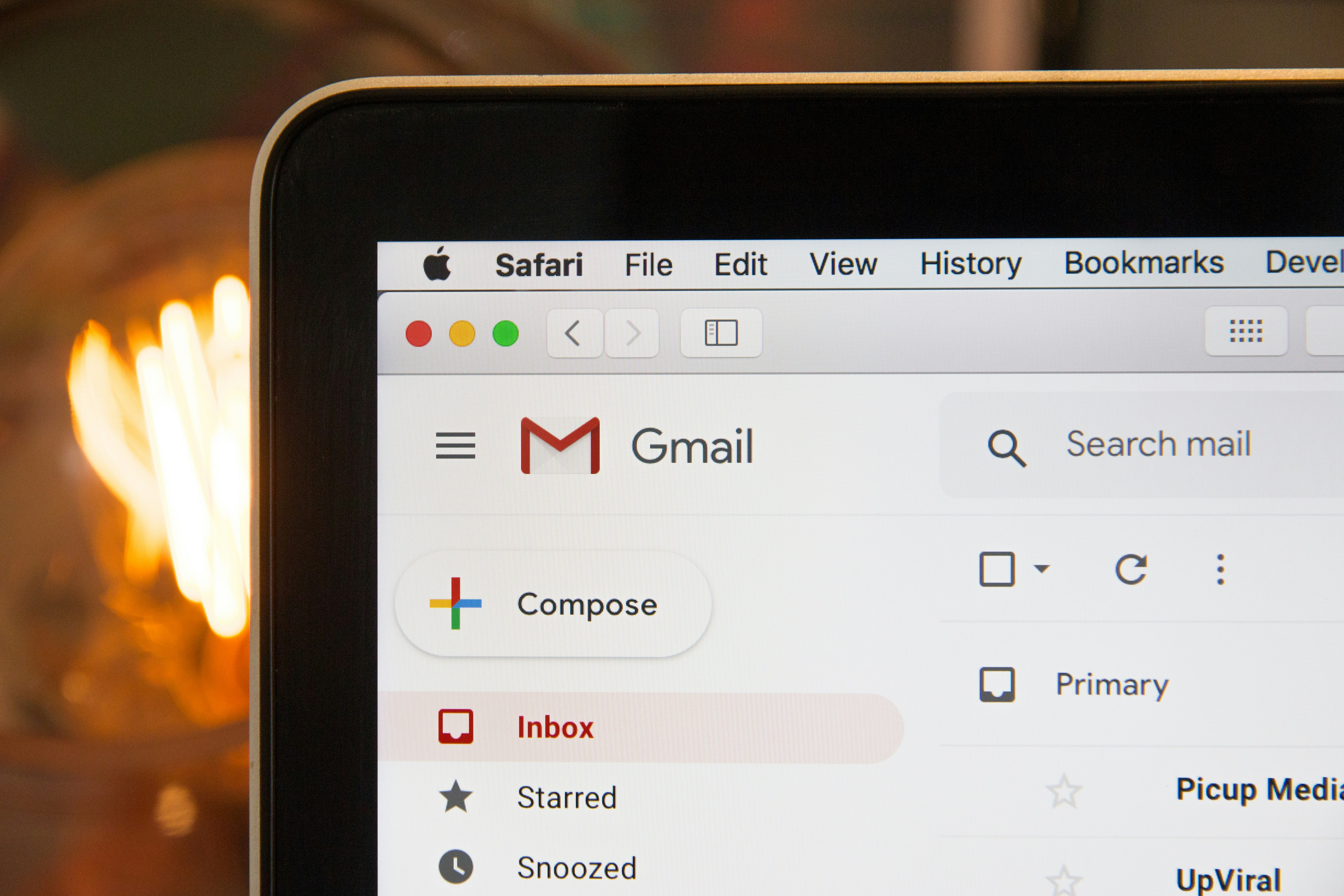
You may receive emails that look official but are fake. They often contain links asking you to “verify your account.”
Never click unknown links.
3. Fake Investment Offers
Scammers promise:
- Guaranteed high returns
- Risk-free investments
- Fast profit opportunities
If it sounds too good to be true, it is a scam.
4. Tech Support Scams
You may see pop-ups saying your computer is infected. They ask you to call support numbers and pay money.
These are fake alerts.
How to Protect Your Money (Step-by-Step)
Step 1: Never Share Personal Information
- Social Security number
- Bank login details
- Credit card numbers
Legitimate organizations will never ask for this via phone or email.
Step 2: Verify Before Trusting
If someone contacts you claiming to be from a bank or government agency:
- Hang up the call
- Call official number yourself
Step 3: Use Strong Online Security

- Enable two-factor authentication
- Use strong passwords
- Update software regularly
Step 4: Monitor Bank Activity
Check your bank account weekly for unusual transactions.
Early detection prevents big losses.
Step 5: Avoid Urgent Pressure
Scammers always create urgency:
- “Act now or your account will be closed”
- “Send money immediately”
Real institutions never rush you like this.
Best Safety Habits for Seniors
- Use only trusted websites
- Ignore unknown messages
- Never send gift cards as payment
- Ask family before making financial decisions
What to Do If You Get Scammed
If you think you were targeted:
- Contact your bank immediately
- Report to FTC (Federal Trade Commission)
- Change passwords
- Monitor accounts closely
FAQ (SEO Booster Section)
What is the most common scam for seniors?
Phone call impersonation scams and fake investment offers are the most common.
How do I know if a message is a scam?
If it creates urgency or asks for personal data, it is likely a scam.
Can banks refund scam losses?
Sometimes, but not always. Prevention is the best protection.
Final Thoughts
Scams are becoming more advanced, but protection is simple: stay alert, stay informed, and never rush financial decisions.
With basic awareness, seniors can fully protect their money and enjoy retirement safely.
Remember: If something feels suspicious, it probably is.