
How Seniors Can Avoid Online Scams and Stay Safe in the USA, Canada & Australia (2026 Guide)

As more seniors in the USA, Canada, and Australia use smartphones and online banking, the risk of scams and fraud has also increased. Cybercriminals often target older adults because they may be less familiar with modern digital threats.
This guide explains how seniors can stay safe online in 2026 using simple and practical security tips.
Why Seniors Are Targeted by Scammers
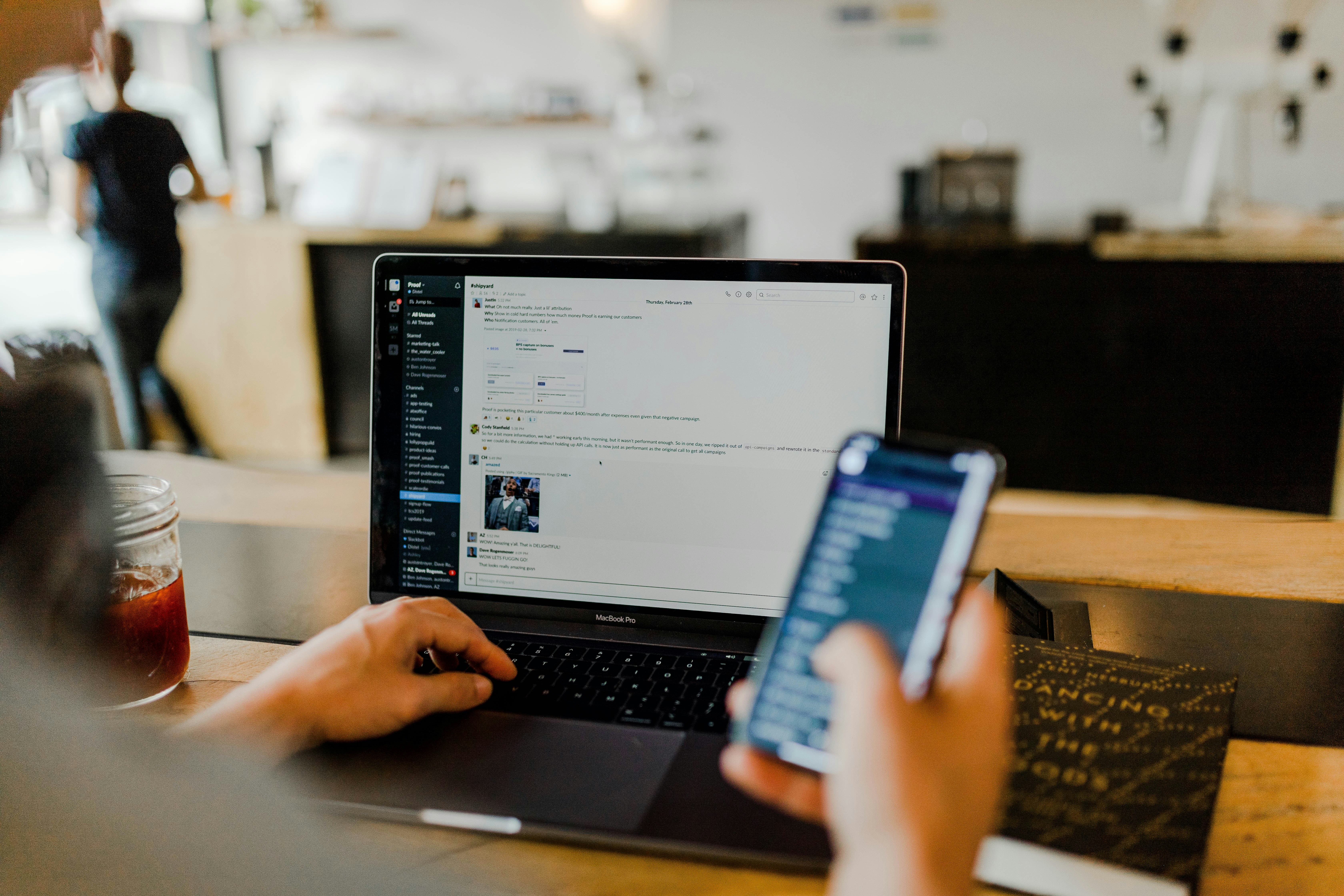
Scammers often assume that seniors may trust emails, calls, or messages more easily. They use emotional tricks, fake websites, and urgent messages to steal money or personal information.
Common reasons seniors are targeted:
- Less experience with digital threats
- Trust in official-looking messages
- Financial savings or retirement funds
- Limited awareness of online fraud tactics
1. Phishing Emails and Fake Messages
Phishing is when scammers send fake emails or messages pretending to be banks, government agencies, or companies.
They often ask for passwords, credit card details, or urgent payments.
2. Fake Investment Offers
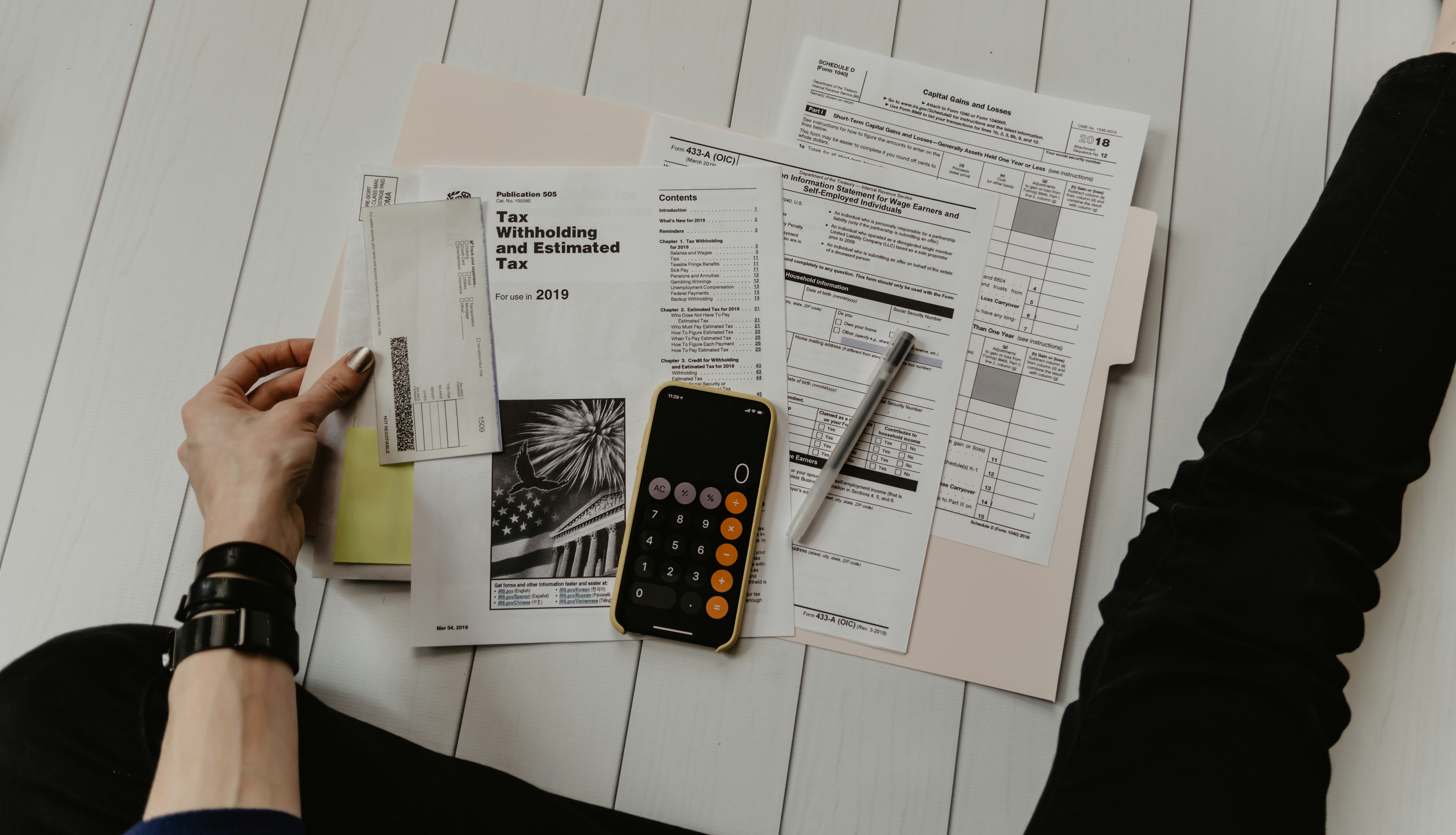
Scammers promise high returns with no risk. These fake investment schemes often look professional but are designed to steal money.
3. Tech Support Scams
In this scam, criminals pretend to be from companies like Microsoft or Apple and claim your device has a problem. They ask for remote access or payment.
4. Online Shopping Fraud
Fake online stores attract seniors with low prices. After payment, the product is never delivered.
5. Phone Call Scams
Scammers call pretending to be government officials or banks, asking for sensitive information or immediate payment.
How Seniors Can Stay Safe Online

Here are simple but powerful ways to protect yourself online:
- Never share passwords or PIN codes
- Check website URLs carefully
- Do not click on suspicious links
- Use trusted apps only
- Enable two-factor authentication
Best Security Habits for Seniors
- Keep software and apps updated
- Use strong and unique passwords
- Avoid public Wi-Fi for banking
- Verify all financial requests independently
Role of Technology in Protection
Modern security tools in banking apps and smartphones help detect fraud automatically. Many platforms in the USA, Canada, and Australia now use AI-based fraud detection systems.
These tools alert users when suspicious activity is detected.
What to Do If You Get Scammed
If you think you have been targeted:
- Contact your bank immediately
- Change all passwords
- Report the scam to authorities
- Stop communication with the scammer
Conclusion
Online scams are becoming more advanced every year, but seniors can stay safe by staying informed and cautious. With the right habits and awareness, digital life can remain safe and secure in 2026 and beyond.