
The Digital Dollar & CBDCs: What North American Retirees Need to Know in 2026
As we move further into 2026, the way we think about “cash” is undergoing its most significant transformation since the invention of the credit card. You may have heard terms like CBDC (Central Bank Digital Currency) or “Digital Loonie” in the news. For many seniors, these terms spark more confusion than clarity.
Simply put, a CBDC is not Bitcoin. It is not a speculative investment. It is a digital version of the physical cash in your wallet, issued and backed directly by the government (The Federal Reserve in the US or the Bank of Canada).
 Figure 1: The digital dollar aims to provide the security of physical cash with the speed of digital payments.
Why the Push for Digital Currency in 2026?
The primary driver is Financial Sovereignty and efficiency. With the launch of the Real-Time Rail (RTR) in Canada in Q3 2026, payments are becoming instant. Governments want to ensure that as physical cash usage declines, citizens still have access to a safe, government-backed medium of exchange that doesn’t rely on private bank stability.
Key Benefits for Seniors:
- Instant Benefit Payments: No more waiting for Social Security or CPP checks to clear. Funds appear in your digital wallet the second they are issued.
- Lower Transaction Fees: CBDCs can eliminate the 2-3% fees often charged by intermediaries during digital transfers.
- Offline Payments: New 2026 tech allows for digital dollar transfers even without an internet connection, vital for rural areas or during power outages.
The State of Play: USA vs. Canada
| Feature | United States (Digital Dollar) | Canada (Digital Loonie / CADD) |
|---|---|---|
| Official Status | In “Experimental & Pilot” phase. | Framework ready; Private stablecoin (CADD) launched. |
| Privacy Focus | High debate over government surveillance. | Focus on “Consumer-Driven Banking” (Bill C-15). |
| Key Player | Federal Reserve Board. | Bank of Canada & Payments Canada. |
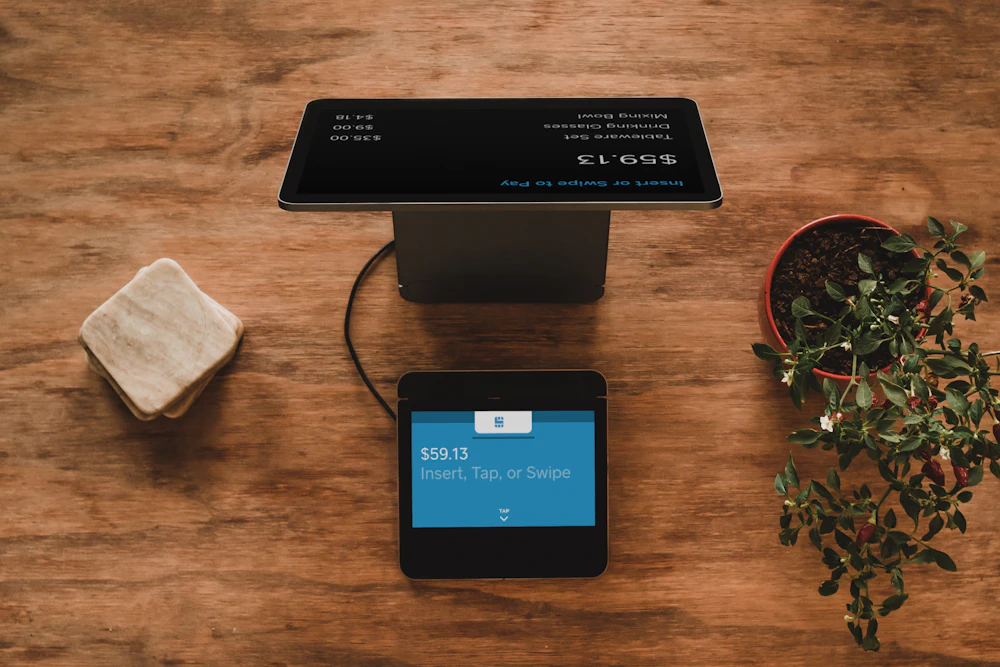 Figure 2: In 2026, everyday transactions are becoming faster and more secure through regulated digital rails.
The Privacy Question: Will the Government Track My Spending?
This is the #1 concern for seniors. In 2026, both US and Canadian officials are designing “Two-Tier” systems. This means the central bank issues the currency, but private banks or “Accredited Fintechs” manage the accounts. This creates a “privacy buffer,” ensuring that your specific purchase history remains with your financial institution, not a government database.
Frequently Asked Questions for Seniors
Q: Will my physical cash become worthless?
A: No. In 2026, both the US and Canadian governments have committed to maintaining physical cash for the foreseeable future to ensure “financial inclusion.”
Q: Is this the same as Bitcoin?
A: Absolutely not. CBDCs are stable and pegged 1:1 to the national currency. They do not fluctuate in value like crypto-assets.
Conclusion: Preparing for the Shift
While a full national “Digital Dollar” is still in the pilot stages for many, the arrival of regulated stablecoins like CADD in Canada marks a point of no return. Seniors who educate themselves on these tools today will be better protected from “Private Crypto Scams” and more prepared to use the faster, cheaper payment systems of tomorrow.