
The Financial Benefits of Aging in Place: Tech Upgrades That Save Money
The standard macroeconomic playbook for wealth preservation during retirement focuses heavily on portfolio drawdowns, tax-loss harvesting, and sheltering assets from capital gains. Yet, a glaring vulnerability remains unaddressed in most retirement models: the physical real estate footprint of the retiree. For decades, the dominant institutional narrative suggested that once physical or cognitive vulnerabilities emerged, the only logical, responsible path was the systematic liquidation of the primary family residence to fund a permanent transition into a commercial assisted living or continuing care retirement community (CCRC). This institutional migration is treated as an inevitable real estate reality of aging.
However, an objective fiscal audit reveals that transitioning to a commercial facility is one of the most capital-destructive events a retiree can undergo. The baseline monthly rental fees for assisted living across North America are staggering, with national medians hovering around **$4,800 to $6,500 per month**. In high-cost regions such as the Northeast United States or West Coast Canada, these fees easily escalate past **$9,000 monthly**. These costs represent pure operational consumption; they do not build equity, they offer zero tax advantages, and they function as a continuous wealth-extraction mechanism that can dismantle a lifetime of accumulated wealth within a few short years.
This economic pressure has catalyzed a major counter-movement: **Aging in Place**. This strategy focuses on retaining ownership of the primary home and adapting it to support changing physical needs over time. Historically, retrofitting a home for aging was a capital-intensive project, requiring tens of thousands of dollars for disruptive structural overhauls like installing residential elevators, building extensive concrete ramps, and completely tearing out bathrooms. Today, the rapid maturation of consumer internet-of-things (IoT) ecosystems, smart ambient home networks, and low-cost automated hardware has completely changed the math. Modest, targeted investments in consumer smart technology can transform a standard piece of residential real estate into a highly responsive, safe environment that effectively delays or prevents the need for institutional care.
For senior digital publishers, web managers, and financial content creators operating in the North American market, understanding the financial return on investment (ROI) of these smart home technologies is essential. The core question is no longer about the technical novelty of smart gadgets; it is about the cold financial reality: *How can a retirement household strategically deploy smart home tech upgrades to strip out massive operational costs, secure their estate, and generate substantial out-of-pocket savings through aging in place?* This deep-dive financial analysis will break down the exact technologies, costs, and math behind this modern retirement strategy.
1. Smart Environmental Automation: Slashing Utility and Physical Maintenance Overhead
When evaluating the financial benefits of remaining in a primary residence, retirees often overlook the ongoing operational expenses embedded in the property itself. Traditional, unmonitored residential infrastructure introduces significant financial risks, particularly regarding energy management and hidden property degradation. As physical mobility changes, managing a home’s environment manually becomes not only a physical challenge but a source of unnecessary financial waste.
Consider the economic impact of legacy climate control systems. Traditional homes rely on manual or basic programmable thermostats that heat or cool an entire multi-room structure uniformly, regardless of actual occupancy patterns. For a senior who spends the majority of their day in a few specific rooms—such as the home office and the main living room—maintaining standard temperatures across empty guest bedrooms and formal dining areas results in significant utility waste. This problem is worsened by seasonal utility price spikes that hit fixed-income portfolios hard.
Deploying an ecosystem of **Smart Thermostats and Automated Micro-Zoning Sensors** alters this cost dynamic completely. Advanced systems use remote room sensors to track real-time occupancy and temperature variations across the home. The central machine-learning algorithms analyze these data points alongside local weather forecasts and household habits to optimize heating and cooling dynamically. The system automatically lowers energy use in unoccupied rooms while maintaining optimal comfort in active spaces. Real-world case studies across North America show that implementing smart climate systems drives an immediate **15% to 23% reduction in monthly heating and cooling bills**, saving the average household $300 to $700 annually in pure cash flow.
Even more critical from an asset-protection perspective is the integration of **Automated Smart Water Leak Detection Networks**. Plumbing failures and hidden water leaks are among the most destructive threats to a senior’s real estate equity. A minor hairline fracture in a washing machine supply line or a leaking water heater joint can go unnoticed for weeks if it occurs in a crawlspace or basement. By the time the leak is physically discovered, the structural damage to drywall, flooring, and foundations can easily require **$10,000 to $35,000** in intensive remediation costs—expenses that standard homeowners insurance policies frequently deny if they classify the event as long-term deferred maintenance. Smart leak defense systems use low-cost, battery-powered Wi-Fi moisture sensors placed under high-risk appliances, paired with an automated shutoff valve attached directly to the main water line. If a sensor detects even a single drop of moisture, it sends an emergency signal to the main valve, which mechanically shuts down the entire home’s water supply within seconds. This automated intervention instantly neutralizes a potential multi-thousand-dollar property disaster, turning a catastrophic financial liability into a minor, easily managed maintenance update.
2. Advanced Lighting Arrays and Automated Access: Eliminating the Injury Pipeline
The financial success of an aging-in-place strategy relies on one fundamental requirement: keeping the senior physically safe and injury-free within their home. Physical injuries are not just health crises; they are major financial disasters. As highlighted throughout our eldercare financial series, a single physical fall can instantly trigger a cascade of emergency room fees, intensive surgical bills, and forced facility placements that can permanently drain a family’s retirement capital. To build a reliable defense around your wealth, you must identify and secure the primary physical vulnerabilities within the home’s infrastructure.
The most dangerous and expensive zone in any senior’s home is the standard staircase, followed closely by unlit hallways during nighttime hours. Traditional lighting setups require a senior to manually locate and flip physical wall switches, often forcing them to navigate dark spaces or cross slick flooring transitions in dim light. This minor friction is a primary driver of household accidents, particularly during late-night bathroom trips when disorientation is high.
The Tech-Driven Solution: Transitioning the home to an **Automated, Motion-Activated Smart Lighting Array** completely eliminates this risk layer. By installing low-cost smart light switches, motion sensors, and ambient LED path lighting along baseboards, you ensure that walkways light up automatically based on real-time movement. The system guides the senior safely through the home without requiring them to search for switches in the dark, maintaining absolute visual clarity and drastically reducing navigation accidents.
Furthermore, these smart lighting systems can be configured with specialized **Circadian Rhythm Programming**. As the body ages, sleep-wake cycles often become disrupted, leading to insomnia, nighttime pacing, and elevated confusion during evening hours—a pattern known clinically as sundowning. Smart lighting helps stabilize this behavior by shifting the home’s light spectrum automatically throughout the day. The system delivers crisp, blue-toned light in the morning to promote alertness, transitioning smoothly to warm, amber tones in the evening to stimulate natural melatonin production. Improving sleep quality and reducing evening disorientation keeps the senior safer and less prone to accidents, protecting families from the high operational costs of hiring overnight care providers or transitioning to specialized memory care units.
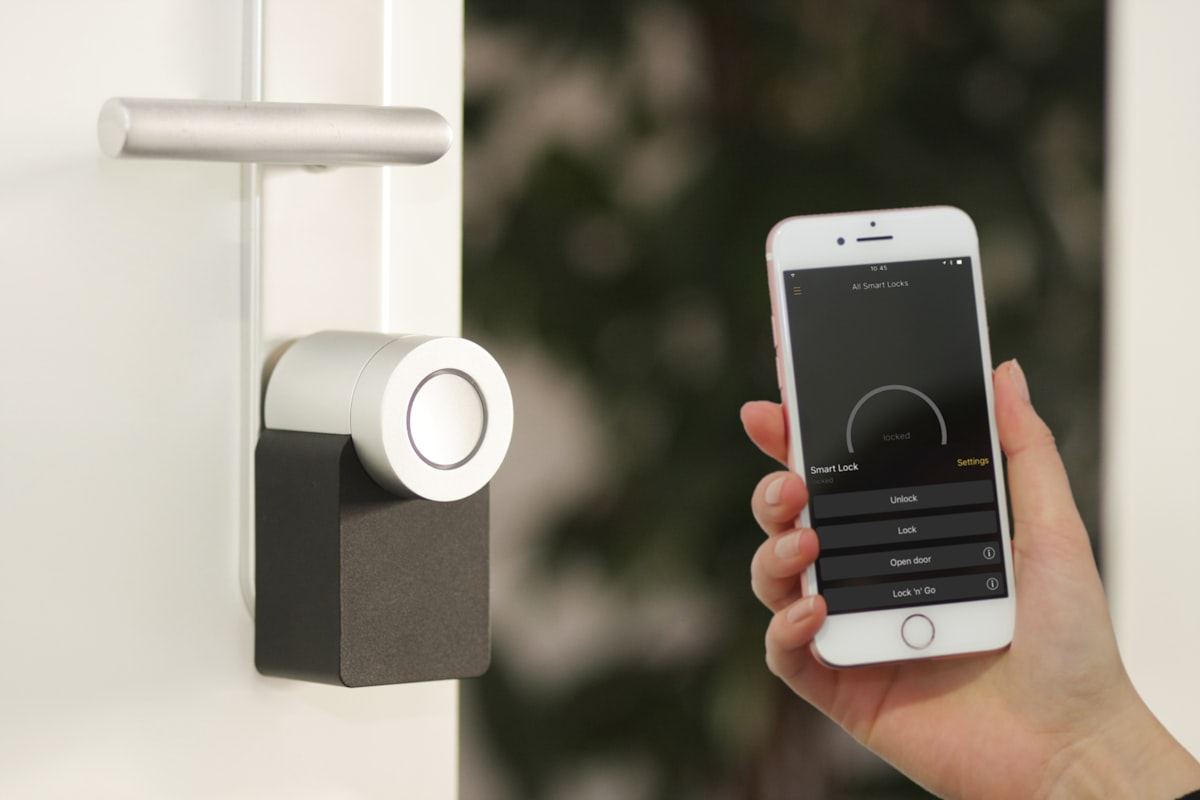
Alongside lighting upgrades, modernizing the home’s entryways with **Automated Smart Locks and Video Intercom Systems** provides significant financial and logistical benefits. Traditional physical keys require fine motor control and hand strength, which can become challenging and painful for individuals managing osteoarthritis or tremors. If a senior misplaces their keys, the out-of-pocket costs for emergency locksmith services can easily run $150 to $350 per incident. Smart locks replace physical keys with secure digital keypads, biometric fingerprint scanners, or automated smartphone proximity sensing. This allows the senior to enter and secure their home easily and without physical strain. More importantly, these devices allow you to issue unique, temporary digital access codes to trusted family members, home health aides, or physical therapists. This remote management capability eliminates the need to cut and distribute multiple physical keys, which poses a serious security risk. If an emergency occurs and first responders need to enter the home, family members can unlock the door remotely from anywhere in the world, preventing emergency personnel from having to break down doors or windows and avoiding expensive property repair bills.
3. Financial Math: The True ROI of Home Retrofitting vs. Assisted Living
To fully appreciate the wealth-preservation capacity of smart home technology, we must look directly at the data and run a rigorous financial comparison. Many retirees hesitate to invest in smart home upgrades because they focus only on the upfront cost of the hardware and installation, viewing it as a discretionary luxury expense. This is a clear analytical error. The only accurate way to evaluate these upgrades is to weigh their total cost against the massive, ongoing operational expenses of a commercial assisted living facility over an identical timeline.
Let us build a realistic scenario modeling a retiree over a 24-month horizon. In the first option, the senior chooses immediate transition into a standard commercial assisted living facility. In the second option, the family invests in a comprehensive, tech-driven home upgrade package to support independent aging in place. The home upgrade package includes a mesh Wi-Fi network, a smart thermostat ecosystem, automated water leak shutoff systems, motion-activated path lighting, smart locks, and an ambient fall detection radar array.
The following detailed cost-benefit ledger outlines the financial differences between these two pathways:
| Expense Categories & Capital Investments | Option A: Commercial Assisted Living | Option B: Tech-Enabled Aging in Place | Net Capital Preserved via Tech |
|---|---|---|---|
| Upfront Hardware & Tech Deployment | $0.00 | $2,400.00 (One-time purchase) | -$2,400.00 |
| Professional System Integration & Labor | $1,500.00 (Community Entrance Fee) | $1,200.00 (One-time professional install) | $300.00 |
| Monthly Facility Rent vs. Basic Upkeep | $132,000.00 ($5,500/mo over 24 months) | $14,400.00 (Home maintenance allowance) | $117,600.00 |
| Ongoing Software & Network Subscriptions | Included in base rent | $960.00 ($40/mo platform fees) | -$960.00 |
| Targeted In-Home Human Care Support | Included in base rent | $24,000.00 (10 hrs/week for companion care) | -$24,000.00 |
| Total 2-Year Cash Commitment | $133,500.00 | $42,960.00 | $90,540.00 |
The mathematical reality is clear. By investing a total of **$3,600 upfront** in hardware and professional installation, the aging-in-place household preserves exactly $90,540.00 in hard cash over a single two-year period. This represents an incredible **2,515% Return on Investment** on your technology capital. From a macro financial planning perspective, this cash preservation alters the longevity of the retiree’s portfolio. Instead of transferring $133,500 in liquid assets to a commercial facility corporation, that capital remains fully invested within the senior’s personal estate. It continues to earn compound interest, pay out equity dividends, and backstop the household against future financial shocks, while the primary home continues to accumulate long-term real estate equity.
4. Maximizing Insurance Reductions and Government Tax Incentives
Beyond the direct operational savings on rent and utilities, deploying smart home technology offers another powerful financial benefit that many retirees miss: the ability to lower fixed monthly overhead costs through insurance premium discounts and government tax credits. The financial services and insurance sectors across North America have realized that tech-enabled homes are significantly lower-risk assets to underwrite, and they are offering substantial financial incentives to homeowners who upgrade their properties.
First, let’s look at **Homeowners Insurance Premium Discounts**. Property and casualty insurance corporations determine your annual premiums using complex risk models. An unmonitored home is exposed to unchecked fire propagation, extensive water damage, and burglary risks, making it expensive to insure. When you install a professionally integrated, UL-listed smart security network—complete with smoke detection, smart water shutoffs, and exterior video monitoring—your overall property risk profile drops significantly. Major national insurance carriers—such as State Farm, Allstate, Liberty Mutual, and Geico—routinely offer permanent premium discounts ranging from **7% to 15%** for homes with verified smart tech installations. For a high-value primary residence, this discount translates to $150 to $450 in annual premium savings, effectively offsetting your ongoing software subscription fees.

Second, retirees must take advantage of expanding federal and state tax incentives designed to encourage aging in place. In the United States, the Internal Revenue Service (IRS) allows specific home modifications to be deducted as legitimate medical expenses under Section 213 of the tax code, provided the upgrades are made to support changing physical needs. If an independent physician certifies that upgrades like automated lighting systems, smart access hardware, or environmental control tools are medically necessary to allow a senior to live independently, the total cost of the hardware and installation can be claimed as an itemized medical deduction, offering valuable relief during tax season.
Additionally, many state and provincial governments have introduced dedicated financial programs, such as the **Senior Home Renovation Tax Credit** available across various Canadian provinces and US state jurisdictions. These programs provide direct tax credits or cash rebates of up to **$1,500 to $3,000** to help offset the costs of installing assistive tech and safety modifications. By combining insurance premium cuts, medical tax deductions, and local renovation grants, retirees can significantly reduce the true net cost of their technology upgrades, maximizing their long-term wealth preservation.
5. Integration Blueprint: Systematically Upgrading a Legacy Home
Successfully transitioning a traditional house into a tech-forward aging-in-place environment requires an organized, step-by-step roadmap. Buying random, incompatible smart gadgets from different retail brands often leads to technical frustration, connectivity errors, and an unstable setup that can compromise safety. To build a reliable, integrated home network, families should follow this professional execution blueprint:
-
Phase 1: Network Foundation
Establish a High-Performance Smart Home Hub and Mesh Base
The entire smart home ecosystem depends on solid, continuous internet coverage. Your first step must be to replace your single, standard internet router with a high-capacity **Mesh Wi-Fi System** to eliminate dead zones in every corner of the house. Next, set up a centralized smart home hub (such as Samsung SmartThings, Apple Home, or Amazon Alexa) that supports unified communication protocols like **Matter and Zigbee**. This central hub acts as the main controller for the home, ensuring all devices from different brands communicate with each other instantly and reliably without overloading your main Wi-Fi bandwidth.
-
Phase 2: Property Defense
Install Automated Water Leak Shutoff Systems
Mount automated, battery-powered moisture sensors in high-risk zones where water leaks typically start—specifically behind toilets, beneath the kitchen sink array, next to the washing machine, and adjacent to the main water heater. Next, have a licensed plumber install an automated, motorized shutoff valve directly onto the incoming main water line. Sync the valve with your central hub so that if any sensor detects moisture, the main line shuts down instantly, protecting your home from major water damage.
-
Phase 3: Fall Prevention
Deploy Motion-Activated Path Lighting Across High-Risk Areas
Remove traditional wall light switches along key nighttime routes—especially the path from the master bed to the bathroom—and install smart motion-sensing light switches. Add low-profile, ambient LED strip lighting along baseboards and under bed frames. Program the system to turn on these guide lights automatically at a soft, glare-free 15% brightness when motion is detected between 10:00 PM and 6:00 AM, providing safe, instant visibility without disrupting sleep cycles.
-
Phase 4: Access Optimization
Upgrade Entryways with Smart Locks and Video Intercoms
Replace your traditional key-operated locks on the front and garage entry doors with heavy-duty smart locks featuring integrated digital touchpads and biometric fingerprint scanners. Install a high-definition video doorbell at the main entrance. Connect these devices to your family’s smartphones, allowing you to monitor guests, talk to visitors remotely, and generate unique, temporary access codes for trusted care providers or emergency services, completely eliminating the risks of physical keys.
Conclusion: Securing Your Wealth and Lifestyle Through Innovation
The compounding threat of rising eldercare costs is one of the most significant financial risks to a retiree’s long-term independence. The pricing structures of commercial assisted living networks can easily leave families feeling cornered, assuming they have no choice but to liquidate their primary home and exhaust their hard-earned assets to pay for institutional care.
However, a clear look at the math behind modern smart home technology proves that this asset liquidation is no longer an inevitable reality. By choosing to age in place and upgrading your property with targeted smart systems, you shift your retirement strategy from high-cost consumer spending to smart asset preservation. Automated environmental controls, motion-activated lighting, and smart property defenses allow seniors to stay safely and independently in their own homes for years longer, avoiding expensive facility fees.
Reclaiming control of your retirement finances does not require endless budgets or deep engineering skills; it simply requires a willingness to adapt. By investing in a well-planned smart home ecosystem, you turn your home into a protective shield for both your physical safety and your financial wealth—ensuring your hard-earned savings continue to secure your personal freedom, protect your quality of life, and preserve a meaningful multi-generational family legacy.
Frequently Asked Questions (FAQ)
Can smart home tech upgrades be covered under traditional long-term care insurance (LTCI) policies?
Yes, many modern long-term care insurance policies include explicit “Home Modification” or “Assistive Device” provisions. These clauses allow the policy to pay for tech upgrades—such as automated water shutoff valves, smart security setups, and lighting automation—if a licensed care coordinator verifies that these installations successfully help the senior age in place safely and delay expensive facility transitions. Always check your specific policy terms for details.
What happens to a tech-enabled home during a major power outage? Will safety systems stop working?
No, provided you design your network with proper power backups. High-quality smart home installations include battery-powered backups built directly into key devices like smart locks and moisture sensors, allowing them to operate locally without grid power. By plugging your central internet modem and smart home hub into an Uninterruptible Power Supply (UPS) battery array, your entire defense network can remain fully functional for hours during a power outage.
Are smart thermostats difficult for older adults with limited tech experience to manage daily?
Not at all. Modern smart thermostats are designed to run fully automatically, meaning they require almost no daily manual adjustments from the senior. Once the initial setup is programmed with the household’s routine, the device manages temperature changes completely on its own based on room occupancy. Furthermore, these systems support simple, hands-free voice controls through smart assistants, allowing users to adjust settings with a simple spoken command.
How much can a senior expect to save on homeowners insurance by installing smart home systems?
While exact numbers vary based on your geographic location and property value, major national insurance carriers routinely offer premium reductions between **7% and 15%** for homes with verified smart water leak detection and connected security systems. These annual savings help lower your fixed household overhead, making your smart home technology upgrades even more cost-effective over time.