The Silent Guardian: How Remote Patient Monitoring is Reshaping Senior Longevity

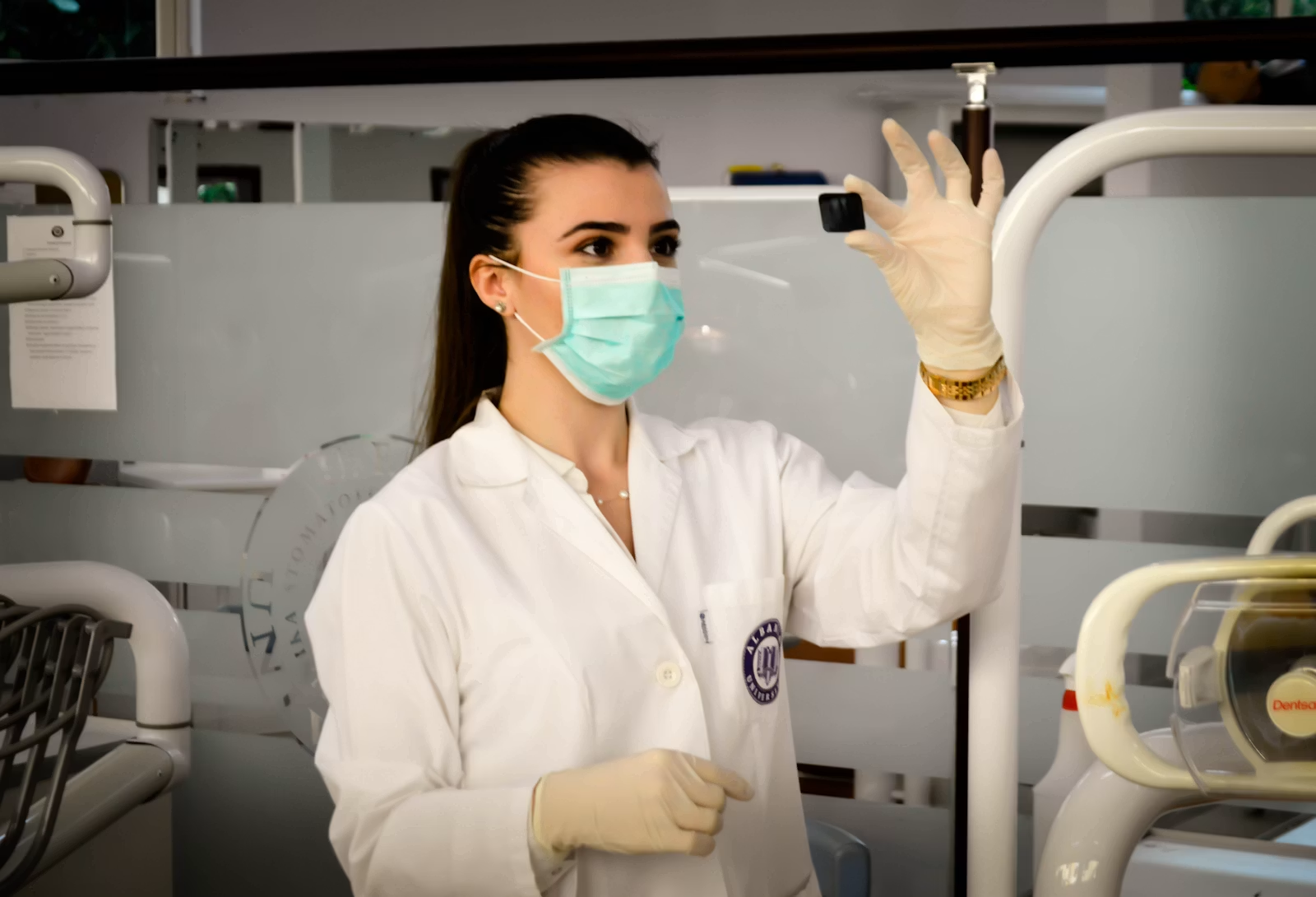
Figure 1: The intersection of human aging and digital precision defines the next frontier of medical science.
We stand at a unique junction in the history of human medicine. For millennia, the practice of healing was defined by proximity; the physician needed to be in the same room as the patient to assess the rhythm of a heart or the pallor of the skin. But as the demographic tides shift and our global population of seniors grows, the sheer logistics of this traditional model are reaching a breaking point. Enter Remote Patient Monitoring (RPM)—not merely a set of gadgets, but a profound architectural shift in how we perceive health, aging, and the very concept of care itself.
The Architecture of Perpetual Vigilance
RPM is the liberation of health data from the confines of the clinic. It is the transition from a “snap-shot” mentality to a “cinematic” reality. When a senior citizen lives with a chronic condition—be it hypertension, diabetes, or heart failure—the traditional model forces them to wait for a crisis to occur before intervention is initiated. RPM flips this script. It establishes a constant, invisible, and comforting presence of clinical oversight within the domestic sphere.
Imagine, if you will, the daily life of a retired individual living independently. With RPM, their blood pressure, weight, and blood glucose levels are captured as naturally as breathing. This data is not just stored; it is analyzed by predictive algorithms that look for microscopic deviations from the patient’s historical baseline. This is where the true power of RPM lies: in its ability to detect the *pre-symptomatic* phase of an illness.

Figure 2: The modern home is becoming a highly capable diagnostic hub.
The Clinical Utility of ‘Invisible Care’
The success of RPM in senior care is heavily dependent on the “invisibility” of the technology. For a system to be effective, it must not disrupt the daily routine of the user. We are moving towards a generation of sensors that function through passive observation—smart mats that track gait and balance, sensors that monitor sleep quality, and devices that require no manual syncing. This is the zenith of geriatric engineering: providing clinical-grade security without imposing a cognitive or physical burden on the senior.
Bridging the Human Element
There is a persistent myth that digitizing care creates distance. In reality, when applied thoughtfully, RPM brings the family and the care team closer. When a caregiver is alerted to a sudden change in health metrics, it allows for a conversation rather than an emergency. It turns the medical journey into a collaborative effort between the patient, the family, and the clinical team.

Figure 3: Data synthesis allows medical professionals to prioritize care effectively.
The Future of Longevity
As we gaze toward the next decade, the integration of Artificial Intelligence with RPM data will unlock even greater potential. We will move from detecting *if* something is wrong to predicting *when* it might go wrong, allowing for preventative adjustments in medication or lifestyle that keep the senior active and thriving for longer.

Figure 4: The ultimate objective of digital health is the preservation of an active, independent life.
In conclusion, Remote Patient Monitoring is not just an industry or a set of technical specs; it is a promise. It is a promise that aging does not have to be synonymous with uncertainty. By embracing this quiet revolution, we are providing our seniors with the greatest gift possible: the confidence to live their lives fully, knowing that the finest medical oversight is watching over them, silently and steadfastly, every single day.