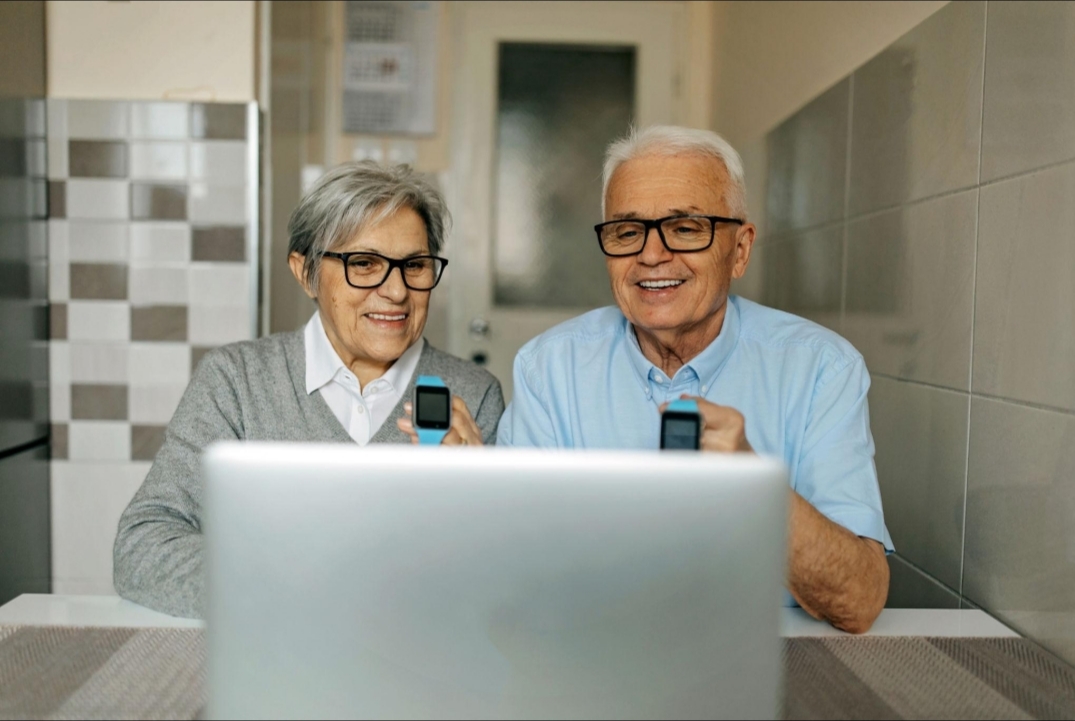
The Senior’s Guide to Wearable Health Tech: What’s Worth Buying in 2026?
Meta Description: Discover the best wearable health technology for seniors in 2026. Learn which smartwatches, fitness trackers, and medical alert devices are truly worth buying for safety, health monitoring, and independent living.

Technology is changing the way older adults manage their health. Just a few years ago, wearable devices were mostly seen as fitness gadgets for younger people. Today, they have become valuable health tools that can help seniors stay active, monitor important health metrics, and even receive emergency assistance when needed.
Whether you’re a retiree looking to improve your health or an adult child searching for ways to help aging parents remain independent, wearable health technology can provide real benefits. However, with hundreds of devices on the market, choosing the right one can feel overwhelming.
Some products promise revolutionary health tracking but deliver little value in daily life. Others can genuinely help seniors monitor their well-being and stay safer at home and on the go.
In this guide, we’ll explore what wearable health technology actually does, which features matter most for older adults, and which types of devices are truly worth the investment.
What Is Wearable Health Technology?
Wearable health technology refers to electronic devices that are worn on the body and designed to collect health-related information. These devices use advanced sensors to monitor physical activity, heart rate, sleep patterns, oxygen levels, and other important health indicators.
Most wearables sync with a smartphone app, allowing users to review their health data and identify trends over time.
For seniors, wearable devices offer something especially valuable: continuous health awareness without requiring frequent medical appointments.

Why More Seniors Are Buying Wearable Health Devices
Many older adults want to maintain their independence for as long as possible. Wearable technology supports this goal by helping users stay informed about their health while providing additional safety features.
One of the biggest advantages is early awareness. Instead of waiting until symptoms become severe, seniors can notice changes in their activity levels, heart rate, or sleep quality and discuss concerns with their healthcare provider.
Family members also benefit. Adult children often worry about parents who live alone. Modern wearable devices can provide alerts during emergencies, offering peace of mind to everyone involved.
The Features That Matter Most
Fall Detection
Falls are one of the leading causes of injury among older adults. A wearable device with fall detection can automatically recognize a serious fall and contact emergency services or family members if the wearer is unable to respond.
For many seniors, this feature alone justifies purchasing a wearable device.
Heart Rate Monitoring
Continuous heart rate tracking allows users to better understand their cardiovascular health. Sudden changes in resting heart rate can sometimes signal health concerns that deserve medical attention.
ECG Monitoring
Several premium smartwatches now include ECG functionality. These tools can help identify irregular heart rhythms such as atrial fibrillation, a condition associated with increased stroke risk.
Blood Oxygen Monitoring
Blood oxygen tracking has become increasingly popular. Although consumer devices are not medical diagnostic tools, they can provide useful insights into respiratory health and overall wellness.
Sleep Tracking
Good sleep becomes even more important as we age. Wearable devices can help users understand how long they sleep, how often they wake up, and whether their sleep quality is improving or declining.

Smartwatches vs Fitness Trackers
One of the most common questions seniors ask is whether they should buy a smartwatch or a fitness tracker.
Smartwatches
Smartwatches typically offer the most comprehensive health features. Many include ECG monitoring, fall detection, GPS tracking, emergency calling, and smartphone integration.
The downside is that they are generally more expensive and require more frequent charging.
Fitness Trackers
Fitness trackers focus on activity monitoring and basic health tracking. They are usually easier to use, lighter, and more affordable.
For seniors who primarily want step counting, heart rate monitoring, and sleep tracking, a fitness tracker may be all that’s needed.
Are Medical Alert Wearables Worth Buying?
For seniors living alone, medical alert wearables can be among the most useful devices available.
Unlike traditional fitness trackers, these products focus primarily on safety. Many include emergency call buttons, GPS location tracking, and automatic fall detection.
In an emergency situation, every minute matters. Having immediate access to assistance can make a significant difference.

How Wearables Help Seniors Stay Independent
Independence is one of the biggest concerns for aging adults. Wearable technology can help seniors maintain confidence by providing support without reducing freedom.
Instead of relying on family members for constant check-ins, seniors can use wearable devices to monitor their health and receive help when needed.
This balance between independence and safety is one of the primary reasons wearable health technology continues to grow in popularity throughout the United States, Canada, and the United Kingdom.
Common Mistakes to Avoid
- Buying the cheapest device available without checking reviews.
- Ignoring battery life.
- Choosing complicated devices with features that will never be used.
- Overestimating the accuracy of consumer health sensors.
- Forgetting to consider comfort and ease of use.
How Much Should Seniors Spend?
There is no single answer because needs vary from person to person.
- Budget Range ($50–$150): Basic activity and heart-rate tracking.
- Mid-Range ($150–$350): Better health monitoring and improved accuracy.
- Premium Range ($350+): ECG monitoring, advanced health features, GPS, and fall detection.
The Future of Wearable Health Technology
The next generation of wearable devices is expected to include more advanced health monitoring capabilities, improved artificial intelligence, and deeper integration with healthcare systems.
Experts believe future devices may provide continuous blood pressure monitoring, better fall prediction technology, and even earlier detection of health problems.
Final Thoughts
Wearable health technology is no longer just a trend. For many seniors, it has become a practical tool that supports healthier, safer, and more independent living.
If you’re considering a wearable device, focus on features that genuinely improve quality of life. Fall detection, heart-rate monitoring, sleep tracking, and emergency assistance are often far more valuable than flashy extras.
The best wearable health device isn’t necessarily the most expensive. It’s the one you’ll actually wear every day and feel comfortable using when it matters most.